
Hello, Let’s Explore!
Okaloacoochee Slough State Forest is a huge, wild place in Florida. It covers 32,039 acres of land. It’s a special spot for people who love nature. You can walk, watch animals, or sleep under the stars. My name is Douglas Baltes. I studied marine biology at the University of Tasmania. I also help protect places like the Great Southern Reef in Australia. I love nature, and I want to share why this forest is so cool. This article will tell you about its beauty, animals, and fun things to do. Let’s dive in!
Why Is This Forest Special?
The forest is in Hendry and Collier Counties, near Fort Myers. Its name comes from a Native American word that might mean “small bad water” or “muddy place.” The forest has a big wetland called a slough. It’s 13,382 acres and runs from north to south. This wetland is one of the last wild places in South Florida. It’s like stepping back in time before people built houses or farms.
The slough does important work. It cleans water, holds rain, and gives homes to animals like the Florida panther. Water from the slough flows to places like the Big Cypress Swamp and Fakahatchee Strand. This helps keep South Florida healthy. Unlike other places, this forest is still wild and full of life.
The Forest’s Amazing Places
The forest has different kinds of places to explore. You can find wetlands, pine forests, cypress swamps, and grassy prairies. Each one has its own plants and animals. The slough is the heart of the forest, but every part is special.
Wetlands and Water
The slough is a big, open marsh. It has grasses and cypress trees. Water moves slowly here, making homes for birds and fish. The slough holds water that flows to other parts of Florida. It keeps places like the Everglades healthy. It also cleans water by catching dirt. In summer, the slough is very wet. In winter, it dries out. This helps plants and animals live in different seasons.
Pine Forests and Grassy Prairies
Pine forests have tall pine trees and open grass. They are drier than the slough. Animals like deer and wild turkeys live here. Grassy prairies are open areas that get wet in the rainy season. Birds like sandhill cranes love these spots. These places make the forest full of life.
Cypress Swamps
Cypress swamps have tall trees with roots in the water. They are cool and shady. Alligators and turtles live here. The swamps hold extra water to stop floods. They keep the forest safe and healthy.
Animals in the Forest
The forest is home to many animals. Some are rare and need help to stay safe. I’ve worked to save kelp forests, so I know how important it is to protect wild places. This forest gives animals a big space to live.
Here are some animals you might see:
- Florida Panther: A rare cat that needs lots of space to roam.
- Florida Black Bear: A big bear that walks through the forest.
- Wood Stork: A tall bird that looks for fish in the water.
- Gopher Tortoise: A turtle that digs homes for other animals.
- Sandhill Crane: A tall bird with a loud call, seen in prairies.
You can also see deer, wild turkeys, or wild pigs. The forest is part of the Great Florida Birding and Wildlife Trail. It’s a great place to watch birds. Bring binoculars to see herons or egrets. My work with sea life helps me see how these animals need a healthy forest. They all work together to keep the forest alive.
The Forest’s Story
The forest has a long history. Native Americans lived here long ago. They used the land for food and tools. In the 1900s, people cut trees to build railroads. Small towns, like Sears, grew near sawmills. But the towns disappeared when the mills closed. You can still see sawdust piles near Twin Mills Grade today.
In the 1990s and 2000s, people worked to save the forest. They used money from programs like Conservation and Recreation Lands (CARL) and Save Our Rivers. This stopped the forest from becoming farms or towns. Now, groups like the Florida Forest Service and Florida Fish and Wildlife care for it. They keep the forest wild and healthy.
Fun Things to Do
The forest has lots of activities. You can walk, camp, fish, or watch animals. It’s open from sunrise to sunset. It costs $2 to enter or $45 for a yearly pass for all Florida state forests.
Walking Trails
The forest has easy trails for walking. They are flat and good for kids. Here are some trails:
- Twin Mills Trail: A 2.4-mile loop through pine trees. You might see animals, but it can be muddy.
- Tram Loop: A 5.6-mile trail through grass and pines. It’s good for walking or biking, but bring a hat for sun.
- Boardwalk Trail: A short 0.4-mile path to a wet prairie. It’s easy and fun for families.
- Roney Island Trail: A 2.3-mile trail through pines and wetlands. It feels quiet and far away.
- Wildcow Primitive Camp Trail: A 3.5-mile path to a camp. It’s simple and good for new hikers.
Trails can get wet in summer. Wear shoes that don’t mind water. Call the forest office to check if trails are open.
Camping
You can camp at Panther Pond. It has 16 tent sites and one for a camper. Each site has a table. There’s also a group camp called Wildcow for up to 10 people. You need to book ahead. Bears and panthers live here, so keep food safe. Pets are okay but need a leash.
Biking and Horseback Riding
The forest has 39 miles of old roads for biking or riding horses. There’s a special bike trail at Dog Island. Horse riders need a health test for their horses. Kids under 16 need helmets for biking or riding.
Fishing
You can fish in ponds and canals. You need a Florida fishing license. Some spots are near roads, others need a short walk. You might catch bass or catfish.
Hunting
Hunting is allowed with rules. The Florida Fish and Wildlife sets times for hunting deer, turkey, or pigs. You need a permit. Check the rules before you go.
Watching Animals
The forest is great for seeing animals. Bring a camera or binoculars. The boardwalk trail is good for birds. Visit early in the morning or late afternoon to see more animals.
How to Get There
The forest is easy to find. From Fort Myers, take I-75 south to SR 82. Go east on SR 82 for 25 miles to SR 29 in Felda. Then, go north on SR 29 for 7.5 miles. Turn east on County Road 832 (Keri Road) for 3.9 miles. The address is 6265 County Road 832, Felda, FL 33930. Call (863) 612-0776 for help.
Tips for a Great Trip
- Plan Ahead: Check the weather. Summer is wet, so bring waterproof clothes.
- Pack Well: Bring water, snacks, sunscreen, and bug spray. Mosquitoes can bite.
- Respect Nature: Stay on trails. Don’t feed animals.
- Stay Safe: Tell someone where you’re going. Bring a map, as phones might not work.
Keeping the Forest Healthy
Groups work together to care for the forest. The Florida Forest Service looks after trails and camps. The Florida Fish and Wildlife watches over animals. The South Florida Water Management District keeps water flowing. They remove bad plants and grow good ones. My work with kelp forests shows me how important this is. A healthy forest needs care to stay strong.
The Forest in Different Seasons
The forest changes with the seasons. Each one is a new way to enjoy it.
- Spring: Nice weather and active animals. Great for walking and watching birds.
- Summer: Wet and hot. Good for fishing, but bring bug spray.
- Fall: Cool and colorful. Perfect for camping and hiking.
- Winter: Dry and cool. Best for long walks and seeing animals.
Why We Need to Save the Forest
The forest is a rare wild place. It protects water, animals, and plants that other places lost. My work with the Great Southern Reef shows how easy it is to harm nature. Saving this forest helps South Florida stay strong. It’s also a place to learn and enjoy nature.
Let’s Wrap It Up
Okaloacoochee Slough State Forest is a big, wild place. Its 32,039 acres have wetlands, pines, and swamps full of animals. You can walk, camp, fish, or watch panthers. I’m Douglas Baltes, with a Marine Biology degree and work in nature protection. I know this forest is special. It cleans water, gives animals homes, and lets you enjoy nature. Visit this forest to see wild Florida. Check trails, pack smart, and respect the land. You’ll love this amazing place!
Disclaimer: This article on Okaloacoochee Slough State Forest is for informational purposes only. It provides details on ecosystems, wildlife, history, and activities based on available sources and the author’s expertise. Trail conditions and rules may change; verify with official sources like the Florida Forest Service before visiting. The author, Douglas Baltes, is not liable for errors or incidents. Follow safety guidelines and respect nature.
Explore More:
Cabwaylingo State Forest: CCC-Crafted Trails, Historic Cabins & ATV Adventure
Firhmin Forest — The Ultimate 2025 Socotra Guide: Dragon Blood Trees, Diksam Plateau & Wadi Dirhur
Hononegah Forest Preserve – Hiking, Camping, Biking, and Rock River Fun
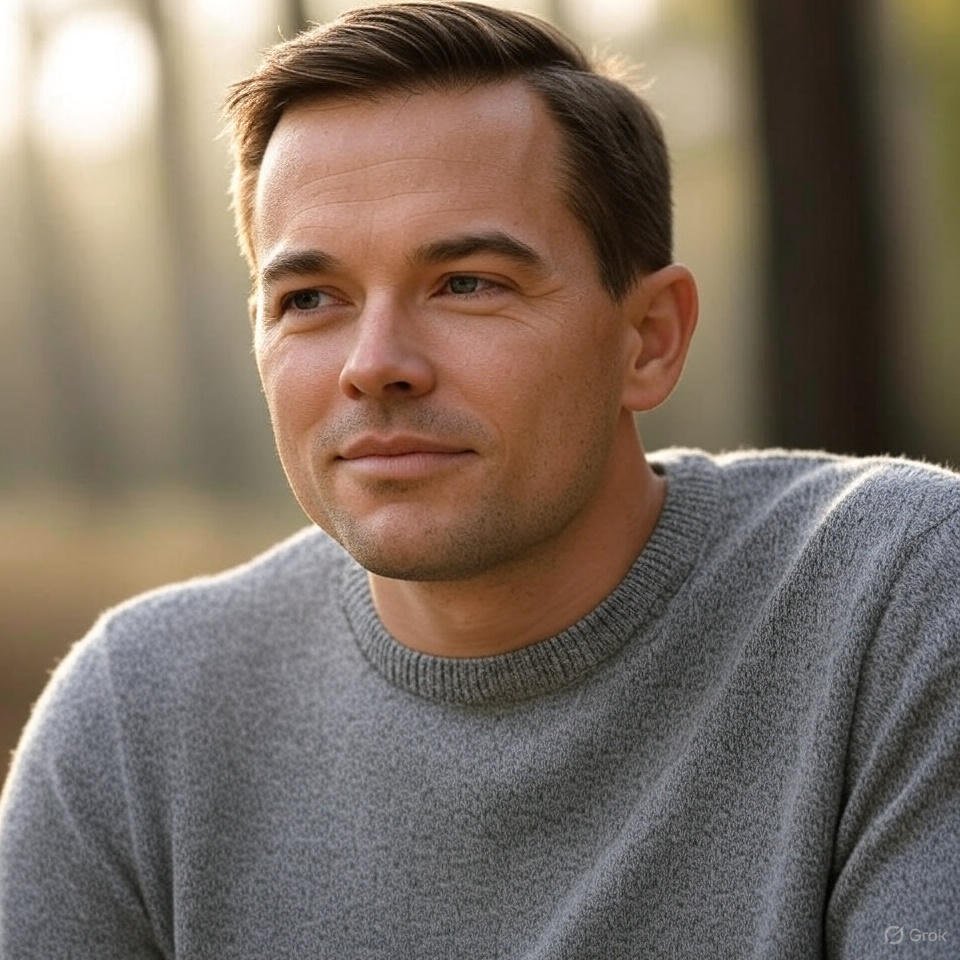
Douglas Baltes is a writer who loves the ocean! He has worked for five years to learn about it. He writes fun stories about the Great Southern Reef in Australia, a big place with giant kelp forests under the water. Douglas has a degree in Marine Biology from the University of Tasmania, so he knows a lot about sea life! He works with nice groups to save the kelp forests. Douglas writes easy and exciting stories about them. He also leads happy projects to help the forests grow again. The Australian Marine Conservation Society loves his work!