Welcome to a Special Place
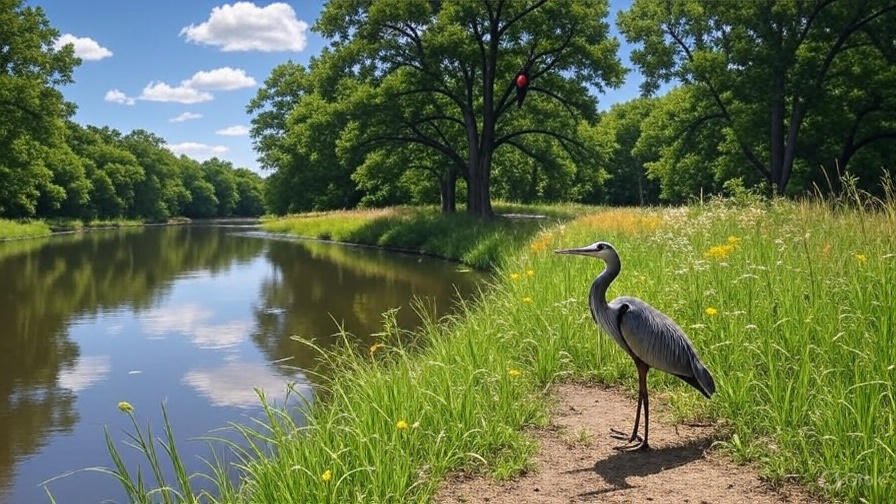
West Branch Forest Preserve is in DuPage County, Illinois. It is a big park with a rare fen, two lakes, and a prairie. A fen is a wet place with special plants. The lakes have fish and birds. The prairie has tall grass and flowers. This park is fun to visit. You can walk, fish, or look at animals. It also helps nature stay safe. My name is Douglas Baltes. I know a lot about nature. I use easy words to tell you about this park.
Why Is This Park Special?
West Branch Forest Preserve is in Bartlett, Illinois. It covers 713 acres. It has a fen, lakes, woods, and a prairie. Each part is different. The fen is wet and rare. The lakes are big and full of fish. The prairie has tall grass. Animals and plants live in all these places. People come to see them. The park is a home for nature and a place for fun.
What Is a Fen?
A fen is a wet place. It is not like a swamp. Water comes from under the ground. This water has special stuff that plants like. The fen at West Branch is rare. Not many fens are left in Illinois. People used to dry them for farms. The fen has plants like orchids and sedges. These plants are special. Frogs and bugs live here too. The fen cleans water. It keeps the park healthy.
The Two Lakes
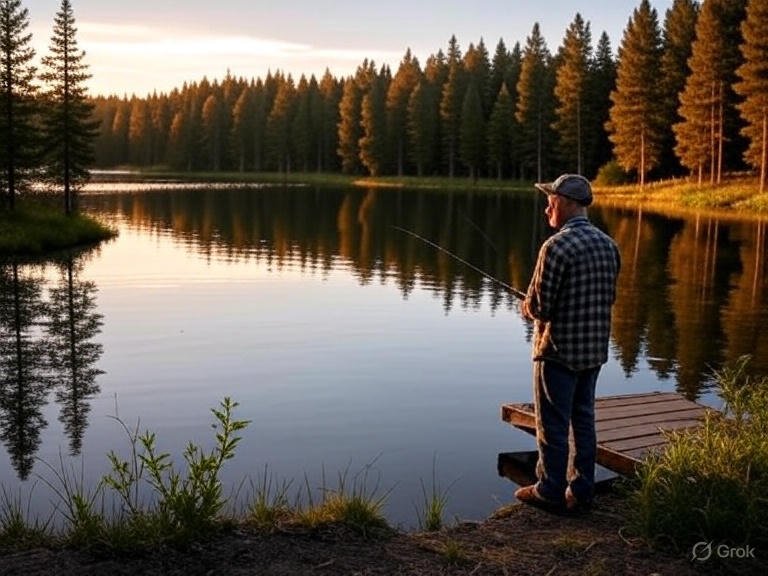
The park has two lakes. They are Deep Quarry Lake and Bass Lake. Deep Quarry Lake is 40 acres big. It is 45 feet deep in some places. Bass Lake is 15 acres. It is 30 feet deep. You can fish in both lakes. They have bass, bluegill, and catfish. You can use piers to fish. You need a fishing license if you are 16 or older. You can paddle a canoe on Deep Quarry Lake. You need a permit. Birds like herons live near the lakes. The lakes make the park pretty.
The Prairie
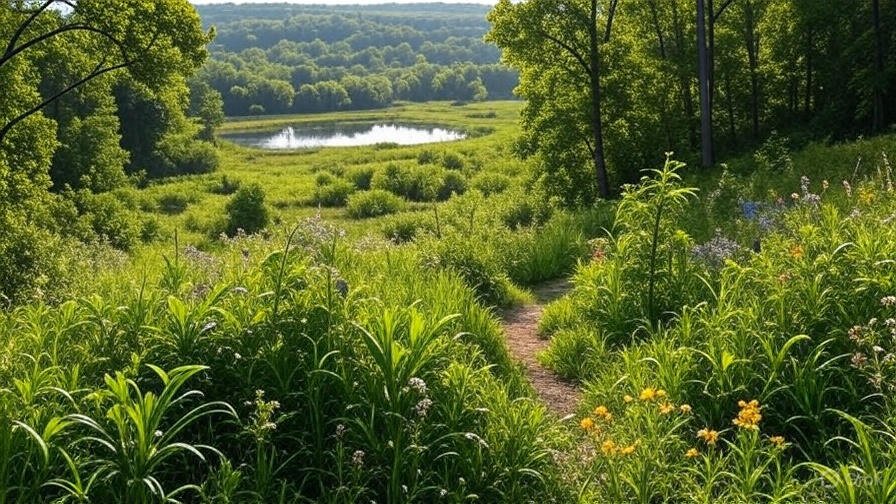
The prairie is a big field. It has tall grass and flowers. Long ago, prairies were all over Illinois. Now, they are rare. The prairie at West Branch has plants like coneflowers. These plants have deep roots. The roots hold dirt and water. Butterflies and birds live here. The prairie is a sunny place to walk. It shows what Illinois used to look like.
The Story of the Park
Long ago, this land was wild. It had prairies and woods. A river called West Branch DuPage River ran through it. Native people lived here. They hunted and picked plants. In the 1800s, settlers made farms. They dried the wet land with pipes. This hurt the fen and prairie. An old house called Baker Homestead is still here. It is near St. Charles Road. Later, DuPage County bought the land. They wanted to save nature. Now, the park protects plants and animals.
Why the Fen Matters
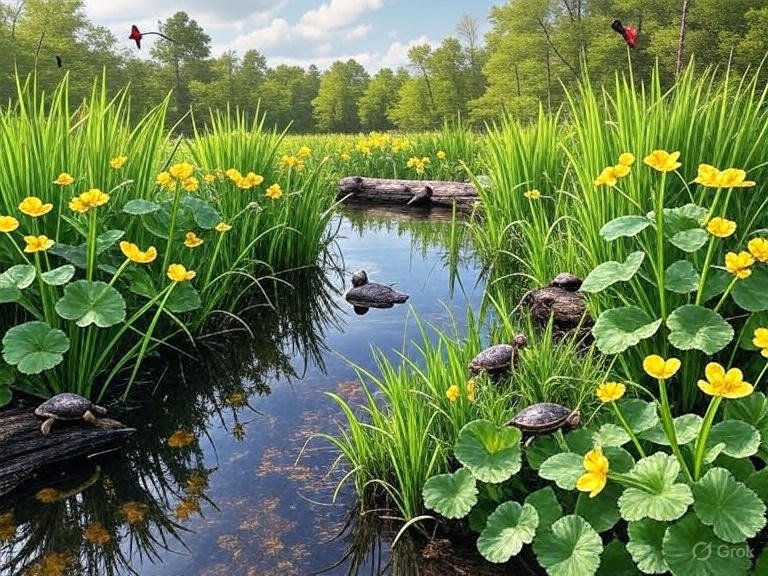
A fen is rare. It needs special water from under the ground. This water has stuff like calcium. It helps plants grow. Fen orchids only live in fens. These plants help bugs like bees. The fen also cleans water. Plants catch dirt as water flows through. This keeps the river clean. But fens can get hurt. Building or farming can harm them. The West Branch fen is safe, but it needs help to stay strong.
Fen Plants
The fen has special plants. Here are some:
- Sedges: They look like grass. They have strong roots.
- Fen Orchids: These flowers are rare. They like wet dirt.
- Marsh Marigolds: They are yellow. They bloom in spring.
These plants help animals live in the fen. They also hold the dirt tight.
Fen Animals
The fen has many animals. Frogs hop in the water. Dragonflies fly fast. Turtles sit on logs. Birds like red-winged blackbirds sing. These animals need the fen. If the fen is hurt, they lose their home. Keeping the fen safe helps them live.
Fun at the Lakes
Deep Quarry Lake and Bass Lake are fun places. You can fish or paddle. You can watch birds too. The lakes have fish like bass and bluegill. Catfish hide in deep spots. You can fish from piers or the shore. The West Branch DuPage River is in the park too. It is over 2 miles long. You can fish there. To paddle, use a canoe or kayak. No motor boats are allowed. You need a permit to paddle. The lakes are great for nature.
Fishing Tips
Fishing is fun at the lakes. Here are some tips:
- Get a fishing license if you are 16 or older.
- Check how many fish you can keep.
- Use small hooks for bluegill. Use big hooks for catfish.
- Fish in the morning for the best luck.
The lakes have zebra mussels. They are bad for fish. Clean your gear to stop them from spreading.
Lake Animals
The lakes have many birds. Great blue herons stand by the water. Ducks swim together. Shorebirds visit in spring and fall. They rest while flying far away. Look for birds near the shore. Binoculars help you see them. The lakes are good for learning about animals.
The Prairie Wilderness
The prairie feels old and wild. Grass grows taller than people. Flowers bloom in summer. Animals like deer and rabbits live here. Birds like meadowlarks sing. The prairie changes with seasons. In spring, flowers grow. In fall, grass turns gold. Trails let you walk through the prairie. It feels like a big adventure.
Why Prairies Are Important
Prairies help nature. Their deep roots hold dirt. This stops dirt from going into rivers. Prairies save water under the ground. This helps when it’s dry. Prairie plants feed bugs like butterflies. Birds eat these bugs. The prairie at West Branch is like an old Illinois field. It shows us why we must save nature.
Prairie Animals
The prairie has animals. Here are some:
- Butterflies: Monarchs fly in summer.
- Grassland Birds: Meadowlarks sing in the grass.
- Deer: They eat in the prairie at sunrise.
These animals need the prairie. Keeping it healthy helps them live.
Things to Do at the Park
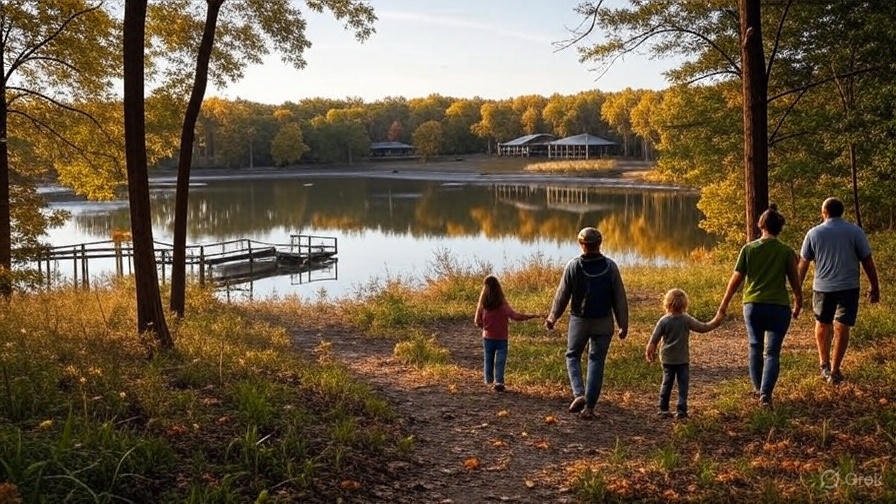
West Branch is great for fun. You can walk, fish, paddle, or watch birds. Trails go through the prairie and woods. They are easy for kids and adults. Birdwatching is fun. Use binoculars to see herons. Fishing is good at the lakes or river. Paddling needs a permit. You can have a picnic in open areas. Follow rules to keep the park safe.
Walking Trails
The park has nice trails. They go through the prairie and near the lakes. Some trails are short. Others are long. They are flat and easy to walk. Wear good shoes. Bring water. Stay on trails to protect the fen. Spring and fall are the best times to walk.
Birdwatching Tips
Birdwatching is exciting. Many birds live in the park. Here are tips:
- Go in the morning. Birds are busy then.
- Use binoculars to see far birds.
- Be quiet. Move slowly so birds stay.
- Look for herons by lakes and warblers in woods.
Spring and fall are good for seeing birds that fly far.
Keeping the Park Safe
The park needs help to stay healthy. The fen is delicate. The lakes have bad mussels. The prairie needs care. The Forest Preserve District works hard. They pull out bad plants. They check water in the fen. Volunteers help clean and plant good plants. This keeps the park safe for animals and people.
Fen Problems
The fen can get hurt. Too much or too little water is bad. Building nearby can change water. Bad plants can grow too much. The District watches the fen. They make sure water flows right. They keep plants healthy.
Lake Problems
Zebra mussels are in the lakes. They are tiny but bad. They eat food fish need. The District asks people to clean boats. This stops mussels from spreading. Clean lakes help fish and birds.
Saving the Prairie
The prairie needs help. Bad plants can grow fast. The District burns the prairie sometimes. Fire sounds bad, but it helps. It clears old plants. New plants grow better. Volunteers plant good grass and flowers. This keeps the prairie wild.
How to Visit the Park
The park is easy to find. The main gate is on Army Trail Road. It is 2 miles east of Route 59. Another gate is on Fair Oaks Road. It is 1 mile south of Army Trail Road. The park opens after sunrise. It closes after sunset. It is free to visit. Follow rules. No alcohol or fires are allowed. Dogs need short leashes. Check the Forest Preserve District’s website for maps.
What to Bring
Bring these for a fun visit:
- Water and snacks for walking.
- Binoculars for birds.
- A fishing license for fishing.
- A permit for paddling.
Wear sunscreen in summer. Use bug spray. Wear good shoes.
Best Times to Visit
Spring and fall are great. In spring, flowers bloom. Birds fly through. In fall, grass turns gold. The air is cool. Summer is good for fishing. Winter is quiet. You can see animal tracks in snow.
Let’s Conclude
West Branch Forest Preserve is more than a park. It has a rare fen, lakes, and prairie. These are homes for animals and plants. They clean water and stop floods. Visiting teaches us about nature. It shows why we must protect it. The District and volunteers work to keep it safe. I’m Douglas Baltes. I love nature. Places like this park show us how to care for our world.
Disclaimer: This article about West Branch Forest Preserve is for information only. It shares facts about the fen, lakes, and prairie. Written by Douglas Baltes, it uses trusted sources like dupageforest.org. Rules may change, so check the website. The author is not responsible for errors or changes. Use this guide safely.
Explore More:
Nipmuck State Forest: Complete Hiking, Camping & Fishing Guide to Connecticut’s Hidden Gem
Petrified Forest of the Black Hills: Hidden Gem of Ancient Stone Trees in South Dakota
Van Patten Woods Forest Preserve: Complete Guide to Trails, Sterling Lake & History

Douglas Baltes is a writer who loves the ocean! He has worked for five years to learn about it. He writes fun stories about the Great Southern Reef in Australia, a big place with giant kelp forests under the water. Douglas has a degree in Marine Biology from the University of Tasmania, so he knows a lot about sea life! He works with nice groups to save the kelp forests. Douglas writes easy and exciting stories about them. He also leads happy projects to help the forests grow again. The Australian Marine Conservation Society loves his work!