A Simple Start: What’s a Sazhen?
Have you heard the word “sagerne”? It’s really “sazhen,” an old Russian way to measure things. A sazhen shows how long something is, like a ruler does now. Teresa Domingo, a writer with four years of experience, shares this story in simple words. This article tells you all about the sazhen in easy words. We’ll look at its history, how people used it, and why it’s neat today. You’ll love learning about this Russian measure! The sazhen was used in Russia for a long time. It helped measure land, houses, and more. Let’s jump into its story.
The Story of the Sazhen
Where Did the Sazhen Begin?
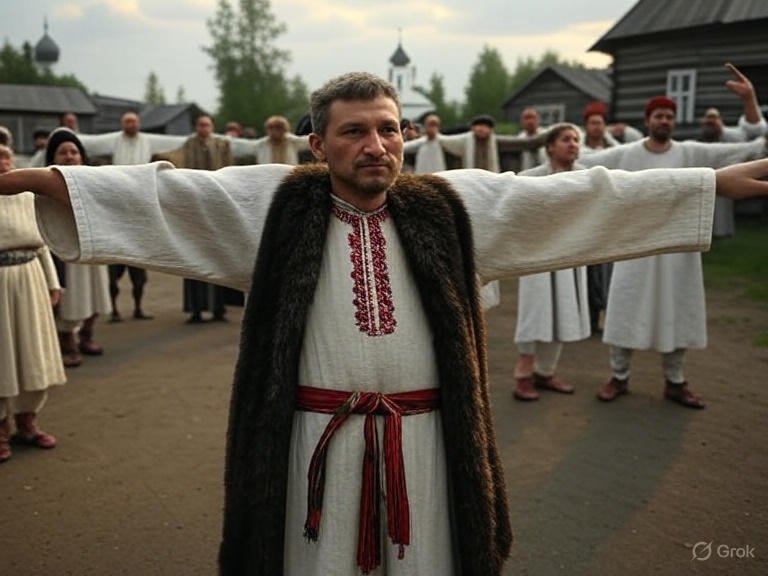
A long, long time ago, over 1,000 years back, people in Russia used the sazhen. This was in a time called Kievan Rus’. They didn’t have rulers or tape measures. So, they used their bodies to measure. The sazhen was the length of a person’s arms stretched out wide. Try it! Stretch your arms. That’s about one sazhen.
Back then, every town had its own sazhen size. This made things messy. If one town’s sazhen was bigger, trading or building was hard.
Peter the Great Fixes It
In the 1700s, a leader named Peter the Great wanted to make things better. He said every sazhen should be the same. He made it equal to seven feet, like in England. That’s about two meters today. This helped everyone use the same sazhen.
Peter also changed how numbers were written. People used special letters before. He used numbers like 1, 2, and 3. This made measuring easier.
Nicholas I Makes More Rules
In 1835, another leader, Nicholas I, made a big rule book. It was called “On Russian Weights and Measures.” It said exactly how long a sazhen was. It also talked about other units, like arshin and vershok. This helped Russia trade with other places. Everyone knew the sazhen size!
How Big Is a Sazhen?
A sazhen is about two meters long. That’s a little longer than a tall person lying down. Here’s how to picture it:
- It’s like two big steps.
- It’s about as tall as a basketball player.
- It’s the length of a small car’s front.
The sazhen had smaller parts, too. Here they are:
- Arshin: Three arshins make one sazhen. An arshin is about 70 centimeters, like from your shoulder to your hand.
- Vershok: Sixteen vershoks make one arshin. A vershok is about four centimeters, like your thumb’s width.
- Lokot: This was about 35 to 54 centimeters. It was from your elbow to your fingers. It changed by town.
These units worked together. For example, 48 vershoks made one sazhen. It’s like how we use centimeters and meters now.
How Did People Use the Sazhen?
Measuring Fields
Farmers used the sazhen to measure land. They needed to know how big their fields were for planting. A field could be 100 sazhens long. This helped them grow crops like wheat. They also used it to sell land.
Building Houses and Churches
Builders used the sazhen, too. They measured wood and stones for houses. A church tower might be 10 sazhens high. This made sure everything was the right size. Imagine building without a ruler! The sazhen helped.
Trading in Markets
People selling cloth or rope used the sazhen. If you wanted a dress, they measured fabric in sazhens or arshins. This kept trading fair. The lokot was used for small things in markets.
Measuring Roads and Rivers
The sazhen wasn’t just for small stuff. It measured roads between towns. For very long distances, people used a verst. One verst was 500 sazhens, or about one kilometer. That’s like measuring a whole river!
Different Kinds of Sazhens
Not every sazhen was the same. Russia was big, so places had their own sazhens. Here are some types:
- Regular Sazhen: This was the main one, about two meters. Most people used it.
- Oblique Sazhen: This was longer, about 2.5 meters. It was from your hand to the opposite foot when stretched. It measured tall things, like trees.
- Moscow Sazhen: In Moscow, the sazhen was a bit different. It was close to the regular one but not always the same.
These differences made things hard. A builder in one city might measure differently than another. That’s why Peter the Great’s rules helped so much.
Why Was the Sazhen Special?
The sazhen was more than a number. It was part of life in Russia. Farmers, builders, and traders used it every day. It came from the body, so it was easy to use. Stretching your arms was quick and simple.
The sazhen was in Russian sayings, too. People said, “He’s two sazhens tall!” to mean someone was very tall. Or, “Measure seven times, cut once.” This meant to plan well. These sayings are still used today!
The Sazhen and Other Units
The sazhen worked with other Russian units. They measured everything together. Here’s a table to show how:
| Unit | Size (About) | How It Fits with Sazhen |
|---|---|---|
| Vershok | 4 cm | 48 vershoks = 1 sazhen |
| Arshin | 70 cm | 3 arshins = 1 sazhen |
| Lokot | 35–54 cm | About 4–6 lokots = 1 sazhen |
| Verst | 1 km | 500 sazhens = 1 verst |
This table shows how the sazhen was part of a system. Each unit had a job, from small vershoks to big versts.
When Did the Sazhen Stop?
In 1899, Russia started using meters and centimeters. But people still used the sazhen for a while. Old habits are hard to change! In 1925, the Soviet Union said everyone must use meters. The sazhen wasn’t official anymore. This helped trade with other countries. But some villages kept using the sazhen.
Why the Sazhen Matters Now
Russia uses meters today, but the sazhen is still important. It’s part of Russia’s past. Old books, maps, and buildings use sazhens. If you read a story from 1800s Russia, you might see “sazhen.” Knowing it helps you understand. Historians use the sazhen to study old Russia. They look at maps to see how big cities were. Genealogists, who study families, use it for old records, too. The sazhen keeps history alive.
It’s also in Russian sayings. People say, “A sazhen of a man!” to mean someone is strong. These words keep the sazhen in modern Russia.
Fun Facts About the Sazhen
- The word “sazhen” means “to reach” in old Russian. It’s because you reach your arms out!
- Sailors used a special sazhen for water depth. It was called a “marine sazhen.”
- Fairy tales talk about giants “ten sazhens tall.” That’s about 20 meters!
- Other places, like Poland, used measurements like the sazhen.
The Sazhen vs. Today’s Units
Let’s compare the sazhen to units we know:
- Meters: One sazhen is two meters. Three sazhens are six meters.
- Feet: One sazhen is seven feet. That’s seven big steps!
- Yards: One sazhen is about two yards. A soccer field is about 50 sazhens long.
This helps you see how long a sazhen is. Try measuring your room in sazhens!
Problems with the Sazhen
The sazhen was useful, but it had issues. It came from the body, so it wasn’t always the same. One person’s arms might be longer than another’s. This made measurements different in each place. The sazhen wasn’t good for tiny things, like a needle. You used a vershok for that. For long distances, like between cities, a verst was better. The sazhen was best for medium things, like houses.
The Sazhen in Russian Life
The sazhen was more than a measure. It was in stories and jokes. Here are some sayings:
- “Measure a sazhen before you leap.” This means think before you act.
- “A sazhen of beard, but a vershok of brains.” This means someone looks wise but isn’t.
These show the sazhen was part of how Russians talked about life.
How to Imagine a Sazhen

Want to know what a sazhen feels like? Try these:
- Stretch your arms wide. That’s about one sazhen.
- Take two big steps. That’s close to a sazhen.
- Look at a door. It’s about one sazhen tall.
This makes the sazhen easy to understand.
Why People Say “Sagerne”
You might have typed “sagerne” instead of “sazhen.” That’s okay! It’s a common mistake. “Sazhen” is a Russian word, and the “zh” sound is tricky in English. That’s why some write “sagerne.” This article uses “sazhen” but explains both so you understand.
The Sazhen’s Lasting Story
The sazhen was a cool Russian measure. It helped people farm, build, and trade for years. Now, Russia uses meters, but the sazhen is still in history. You can find it in old books and sayings. Next time you hear “sazhen,” you’ll know it’s about stretching your arms to measure the world! Check out our other articles on Russian history. What old measure do you like best? Tell us below!
Disclaimer: This article provides accurate information about historical Russian measurements based on reliable sources. It is for educational purposes only. While care has been taken to ensure correctness, readers should verify details with primary historical sources for critical applications.
Explore More:
Methatreams: The Future of Fun, Interactive, Real-Time Streaming for All Industries
Marilyn Kroc Barg: Ray Kroc’s Daughter (1924–1973) Biography, Death & Legacy
faqvehicle .com: Instant DIY Car Fixes & Smart Ownership Answers

Teresa Domingo is a talented content writer with 4 years of experience. She loves creating all kinds of content, from articles to blogs, in a clear and simple way. Teresa’s writing is easy to read and connects with people. She enjoys sharing ideas and stories that everyone can understand.