Welcome to Holman Lane
Forest Park in Portland, Oregon, is a huge green space. It covers over 5,200 acres with trees, plants, and animals. The Holman Lane Entrance is a calm way to start your hike. It leads to fun trails like the Wildwood Trail and Birch Trail. These paths take you through big trees and quiet woods. My name is Douglas Baltes. I know a lot about nature because I studied Marine Biology at the University of Tasmania. I’ve spent five years learning about places like forests and oceans. I love sharing simple stories about wild places to help you enjoy them.
Holman Lane is not busy like other trailheads. It’s great for people who want a peaceful walk. You can see green ferns, soft moss, and maybe even a deer. The trails connect to over 80 miles of paths in Forest Park. This article tells you everything about Holman Lane. It covers the trails, history, plants, animals, and tips for visiting. I use easy words so everyone can understand, even kids.
Why Pick Holman Lane?
Holman Lane Entrance is special because it’s quiet. Other trailheads, like Lower Macleay or Pittock Mansion, are often crowded. Holman Lane feels like your own secret path. It starts at NW 53rd Drive, near Cornell Road. You park on the street, walk a short gravel path, and start hiking. The entrance leads to a 4.4-mile loop with Wildwood and Birch Trails. This loop has small hills and takes about two hours to walk.
This entrance is good for new hikers and families. The trails are not too steep. They have soft dirt, but they can get muddy when it rains. Wear strong shoes to stay safe. The area has tall trees and green plants. You hear birds singing and feel far from the city, even though Portland is near. You can also take a bus to get close to Holman Lane.
All About Holman Lane Trails
What the Trails Are Like
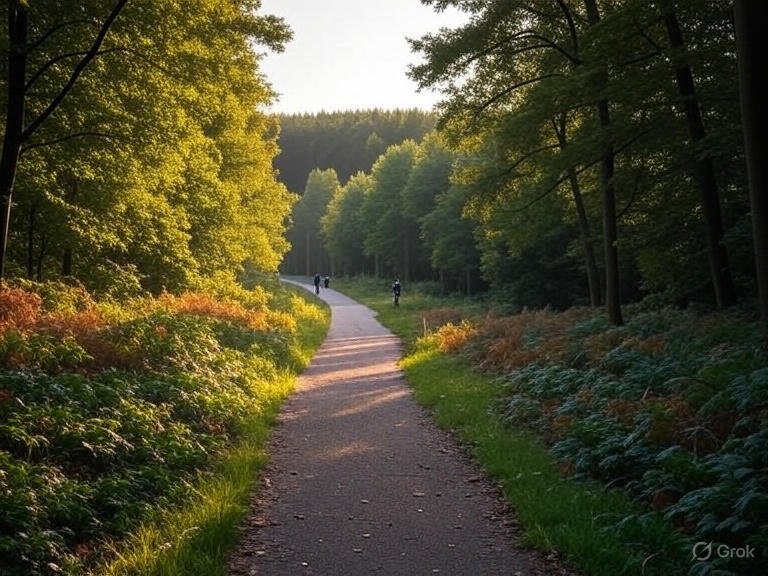
Holman Lane connects to a fun loop. This loop uses Holman Lane, Wildwood Trail, and Birch Trail. It’s 4.4 miles long and has 777 feet of hills. The path is not too hard, but it has some ups and downs. It takes about two to two and a half hours to walk. The trails are clean and have clear signs. The Wildwood Trail has blue markers every quarter mile to guide you.
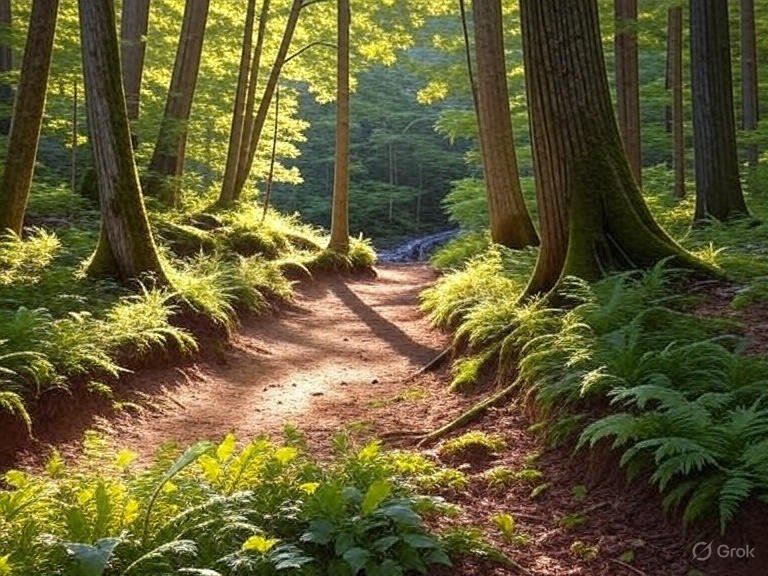
You start at NW 53rd Drive. Walk 0.1 miles on a gravel road by mailboxes. This takes you to Holman Lane. Follow it to a gate, then join Wildwood Trail. The trail goes through thick woods with ferns and moss. You cross small bridges and see the Willamette River through trees. After 1.6 miles on Wildwood, you reach Birch Trail. This brings you back to NW 53rd Drive. Dogs can come, but they must stay on a leash.
How to Get There and Park
Parking at Holman Lane is small. There’s no big parking lot. You park on NW 53rd Drive. Be careful not to block driveways. The entrance is not good for wheelchairs because it’s not paved. If you need a paved trail, try Lower Macleay instead. You can take a bus to get close. TriMet bus lines 15, 26, and 77 stop near Cornell Road, about half a mile away. Use TriMet’s Trip Planner to find the best bus.
Trail Conditions
The trails at Holman Lane are mostly soft dirt. They get muddy after rain, especially in winter. Wear shoes that keep your feet dry. The loop has gentle hills, but some parts are a bit steep. The steepest part is on Holman Lane. It climbs 462 feet in one kilometer. Mountain bikers use this part to go uphill. Watch for them and stay to the side. The trail is safe but can be slippery when wet. Check the Portland Parks & Recreation website for trail updates before you go.
Plants and Animals
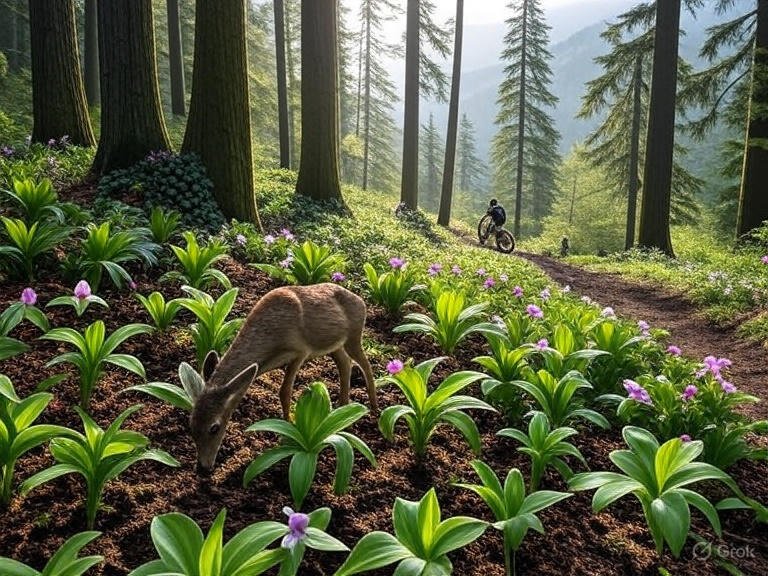
Forest Park has lots of plants and animals. At Holman Lane, you see tall Douglas fir trees and cedars. Ferns and moss grow on the ground. In spring, you might see trillium and violet flowers. They make the forest colorful. You can see deer, squirrels, and birds like owls or hawks. The forest is a safe home for animals. Stay on trails to keep their homes safe. Some bad plants, like ivy and holly, hurt the forest. Groups like the Forest Park Conservancy work to take them out.
The Story of Holman Lane
Holman Lane has a history. In 1939, George and Mary Holman gave 52 acres of land to Portland. This land, called the Holman Property, is on Balch Creek’s slopes. In 1906, a man named Lafayette Pence hurt the area. He dug up dirt to fill Guild’s Lake for factories. This damaged the forest, but it has grown back. Now, native trees and plants are strong again, but bad plants like ivy are still a problem. The Holman Lane Entrance shows how nature can heal with help.
I’ve worked with groups like the Australian Marine Conservation Society. This taught me how nature recovers. The Holman Property’s story shows how people can help forests. Volunteers and the Forest Park Conservancy keep the trails and forest healthy.
How Holman Lane Compares to Other Trailheads
Forest Park has many trailheads. Here’s how Holman Lane is different:
- Lower Macleay Trailhead: This is very busy. It has parking and a paved trail for wheelchairs. It’s great for accessibility but crowded.
- Pittock Mansion Trailhead: This has a parking lot and views of Mount Hood. It’s busy and has no wheelchair paths. It’s farther from Holman Lane.
- Aspen Trailhead: This is near Holman Lane. It has views of Mount Saint Helens and Mount Rainier on clear days. It’s quieter but has no parking lot.
- Leif Erikson/Thurman Trailhead: This is good for bikers and runners. It’s busier than Holman Lane and more open.
Holman Lane is special because it’s quiet. It’s less crowded than Lower Macleay or Pittock Mansion. It’s great for a calm walk. The loop is longer than some short trails but easier than steep ones like Pittock Mansion.
How Holman Lane Helps Forest Park
Forest Park is 5,200 acres of wild land. It’s a home for animals and plants. It also cleans air and water for Portland. Holman Lane is part of this system. Its trails connect to the 30.2-mile Wildwood Trail. This trail goes from Washington Park to Newberry Road. It has blue markers every quarter mile to help you.
The park’s ecosystem is fragile. Trails like Holman Lane let people enjoy nature without hurting it. Staying on paths protects plants and animal homes. The Forest Park Conservancy checks trails to keep them safe. They remove bad plants like ivy and plant good ones. My biology knowledge helps me understand this. Forests, like oceans, need balance. Holman Lane’s trails show this balance.
How to Plan Your Visit
Getting to Holman Lane
To drive from downtown Portland, take Interstate 405. Use exit 3 to Route 30 west. After half a mile, exit to Vaughn Street. Turn left on NW 25th Avenue, then right on NW Lovejoy Street. Go right onto Cornell Road. Drive 1.9 miles and turn right on NW 53rd Drive. Park half a mile up, near Birch Trail. The trailhead is at 1800 NW 53rd Drive, Portland, OR 97210. The coordinates are 45.5336, -122.7332.
For buses, take TriMet lines 15, 26, or 77 to Cornell Road. Walk half a mile to NW 53rd Drive. Check TriMet’s Trip Planner for bus times.
What to Bring
- Shoes: Wear strong, waterproof shoes. Trails can be muddy.
- Water: Bring a water bottle. There are no water fountains.
- Map: Get a Forest Park map from the Forest Park Conservancy. It shows trails and markers.
- Clothes: Wear layers. Portland’s weather can change fast.
- Dog Leash: Dogs are okay but must be on a leash.
Best Times to Go
The trail is open from 5 a.m. to 10 p.m. every day. January to October is best for hiking. Spring has pretty flowers, and summer is dry. Fall has colorful leaves, but winter is wet and muddy. Start early to avoid people, especially on weekends.
Safety Tips
- Stay on marked trails to protect plants and animals.
- Watch for bikers on Holman Lane. They ride uphill.
- Check for trail closures on the Portland Parks & Recreation website.
- Tell someone where you’re hiking and when you’ll be back.
- Bring a phone for emergencies, but the signal might be weak.
Helping the Forest
Holman Lane is part of Forest Park’s big story. The park protects animals and cleans air and water. The Forest Park Conservancy keeps trails safe. They take out bad plants like ivy and plant good trees. Volunteers clean up trash and fix trails. My work with conservation groups taught me why this matters. Healthy forests help animals and people. You can help by staying on trails and picking up litter.
You can join the Forest Park Conservancy. They have events to learn about the park. You can volunteer to plant trees or remove ivy. This keeps Holman Lane and other trails nice for everyone.
Final Thoughts
Holman Lane Entrance is a quiet way to see Forest Park. It leads to a 4.4-mile loop with Wildwood and Birch Trails. You walk through big trees, see flowers, and hear birds. It’s less crowded than other trailheads, so it’s perfect for a calm hike. The entrance has a history of healing from damage. It’s part of a big ecosystem that needs care.
Use this guide to plan your trip. Bring good shoes, water, and a map. Check trail conditions and go early for the best time. Holman Lane is a special path to Portland’s wild places. It shows how nature and people can work together. For more info, visit the Forest Park Conservancy or Portland Parks & Recreation websites. They have maps and updates to help you hike safely.
Disclaimer: The information in this article about Holman Lane Entrance and Forest Park is for general guidance only. It is based on accurate sources, like Portland Parks & Recreation and the Forest Park Conservancy, at the time of writing. Trail conditions, closures, or other details may change. Always check official websites for updates before hiking. The author, Douglas Baltes, is not responsible for any issues, injuries, or damages from using this guide. Hike safely, follow trail rules, and respect nature.
Explore More:
Coopers Rock State Forest: Ultimate Insider’s Guide to Hiking, Climbing & Scenic Views
Greenbelt Forest Preserve: Urban Oasis of Wildflowers, Trails & Tranquility

Douglas Baltes is a writer who loves the ocean! He has worked for five years to learn about it. He writes fun stories about the Great Southern Reef in Australia, a big place with giant kelp forests under the water. Douglas has a degree in Marine Biology from the University of Tasmania, so he knows a lot about sea life! He works with nice groups to save the kelp forests. Douglas writes easy and exciting stories about them. He also leads happy projects to help the forests grow again. The Australian Marine Conservation Society loves his work!