Welcome to Grant Woods Forest Preserve
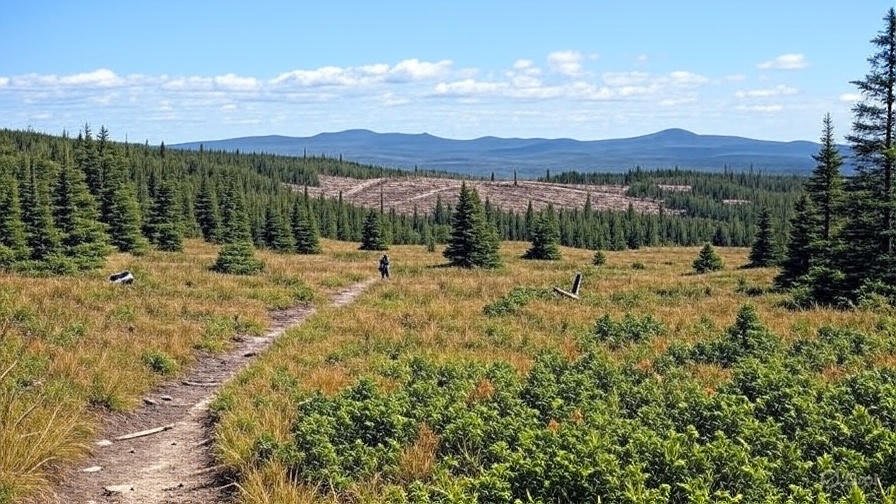
Grant Woods Forest Preserve is a big, beautiful place in Lake County, Illinois. It has over 1,100 acres of land. You can see open prairies, quiet woods, and wet marshes. A special tamarack bog grows here, which is very rare. There are six miles of trails for hiking, biking, or skiing. Animals and plants live here in peace. It’s a great spot to enjoy nature. My name is Douglas Baltes. I have a Marine Biology degree from the University of Tasmania. I’ve studied oceans for five years. Wetlands like those in Grant Woods are like oceans on land. Let’s learn why this place is so special.
Why Grant Woods Is Amazing
Grant Woods is different from other parks. It has many kinds of land. You’ll find prairies with tall grass, woods with big trees, and marshes with water. One part is an Illinois Nature Preserve. This area was never farmed. It has rare plants that grow nowhere else. The tamarack bog is super special. Tamarack trees are not common in Illinois. Their needles turn gold in fall. It looks like magic. Bluebirds live in boxes along the trails. Deer and hawks walk and fly here. This mix of nature makes Grant Woods a wonderful place.
The Untouched Prairie
The prairie at Grant Woods is big and open. Grass grows taller than you. In summer, flowers bloom in bright colors. You might see yellow coneflowers. Or purple blazing stars. These plants belong in Illinois. They grew here before farms came. The prairie was never plowed. It stays wild and natural. Butterflies and bees buzz around. Birds eat seeds and bugs. Walking here feels like going back in time. Nature is in charge. You can feel the peace of the wild prairie.
The Rare Tamarack Bog
A tamarack bog is a wet place with special trees. Tamarack trees have soft needles. They look like pine trees. But they lose their needles in winter. That’s rare for trees like them. The bog at Grant Woods is one of the few in Illinois. It’s part of the Illinois Nature Preserve. It’s protected because it’s so special. The ground is wet and soft. Frogs make loud noises in spring. Plants like pitcher plants grow here. They eat bugs to live. I study oceans, and wetlands are like oceans. They hold water and life together. The tamarack bog is a treasure.
Fun Scenic Trails
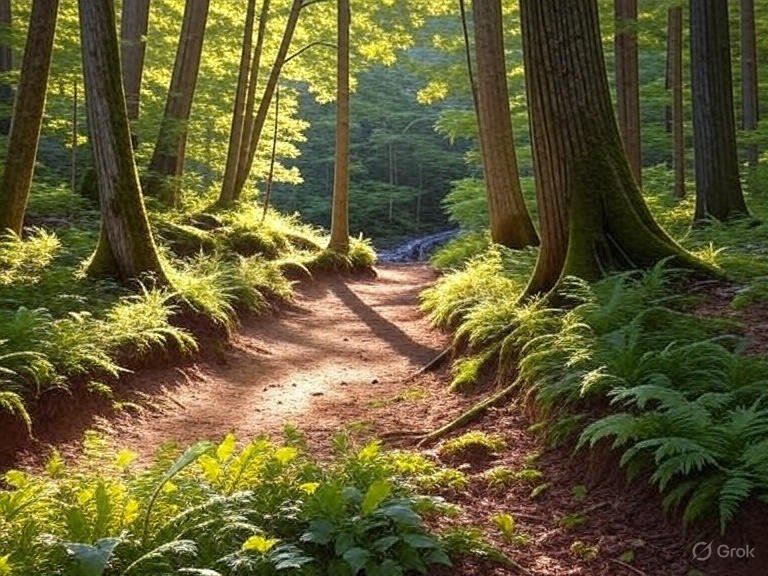
Grant Woods has six miles of gravel trails. You can hike, bike, or ski on them. In winter, 4.5 miles are open for snowmobiles. A 1-mile grass trail starts at Cedar Lake Road. It goes to Fairfield Road, near Caboose Park in Lake Villa. The trails are mostly flat. Some have small hills. They’re easy for most people. The paths go through prairies, woods, and marshes. You see different views as you walk. One trail joins the Chain O’Lakes Bike Path. This lets you explore more of Lake County.
Animals You Can See
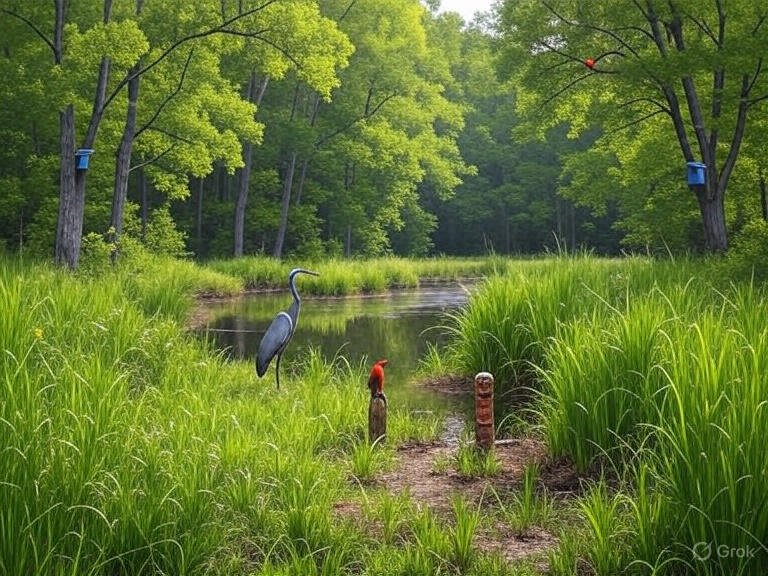
Grant Woods is home to many animals. Birds are all around. Bluebirds live in boxes on the trails. You might see a great blue heron in a marsh. Orioles, cardinals, and warblers sing in trees. In spring, frogs croak in ponds. Deer move quietly in the woods. Hawks fly over the prairie. If you’re lucky, you might see a sandhill crane. These tall birds love wet areas. The preserve has rare Kentucky coffee trees. Native Americans used their seeds long ago. Watching animals here is fun and calm.
Rare Plants in the Preserve
The Illinois Nature Preserve part has rare plants. The tamarack bog has pitcher plants. These plants trap bugs for food. Other plants, like sedges, grow in wet areas. The prairie has coneflowers and blazing stars. These plants are native to Illinois. They don’t grow in many places. The Kentucky coffee trees are special, too. They’re the only wild ones in Lake County. Their seeds were used by Native Americans for games. These plants make Grant Woods a living museum of nature.
The History of Grant Woods
Grant Woods has a long history. Native Americans, like the Potawatomi, lived here. The Kentucky coffee trees show they were here. They used the seeds for trade or games. In the 1800s, families settled the land. The Stratton family came from England in 1857. John Stratton was Lake Villa’s first supervisor in 1912. His son, William J. Stratton, was a big leader in Illinois. Otto Lehmann owned a farm called Chesney Farms. It was a famous place for horses. The land became a preserve from 1976 to 1992. Now, it’s saved for everyone.
Native American Roots
The Potawatomi likely lived near Grant Woods. The Kentucky coffee trees are a clue. Their seeds were used in games or trade. This means Native Americans visited often. They may have had a village here. The trees are rare in Lake County. They show how special this land was. The Pistakee lakes area was Potawatomi land until the 1830s. Their history makes Grant Woods important. It connects us to the past.
Early Settlers
In 1857, the Stratton family came to Lake Villa. John Stratton married Mary O’Boyle in 1872. They lived in what is now Grant Woods. John was a leader in Lake Villa. His son, William J. Stratton, became Illinois’ Secretary of State. Otto Lehmann owned Chesney Farms. It had over 100 acres. His farm was famous for Arabian horses. The Wisconsin Central Railroad came in 1882. It brought more people to the area. These families shaped the land we enjoy today.
Protecting Grant Woods
Keeping Grant Woods healthy is a big job. The Lake County Forest Preserves work hard. They remove bad plants that hurt native ones. They plant new grasses and trees. The tamarack bog is watched closely. It’s rare and needs care. I’ve worked with groups like the Australian Marine Conservation Society. We saved kelp forests in Australia. Wetlands like the bog are similar. They need help to stay strong. Volunteers clean the preserve and plant new species. This work keeps the prairie and bog alive for animals and people.
Why the Tamarack Bog Is Important
The tamarack bog is rare. It has special plants like tamaracks and pitcher plants. Wetlands clean water for animals. They give homes to frogs and birds. They also store carbon. This helps the planet stay healthy. I learned from studying oceans that wetlands are fragile. If we lose them, we lose plants and animals forever. The bog at Grant Woods is like a piece of Illinois’ past. Protecting it saves nature for the future.
Conservation Work
The Lake County Forest Preserves do a lot. They pull out invasive plants. These plants take space from native ones. They plant native grasses and trees. The tamarack bog gets extra care. Volunteers help with planting and cleaning. They make sure the preserve stays natural. I’ve seen this kind of work in Australia. Saving kelp forests taught me how to care for wetlands. The work at Grant Woods keeps the land healthy for everyone.
How to Visit Grant Woods
Visiting Grant Woods is easy and fun. Here are tips to help you:
- Trails: Wear strong shoes for gravel paths. The 5-mile loop takes 1.5 to 2 hours to walk. It’s good for families. Some hills are small.
- Parking: Park at Grand Avenue, Monaville Road, or south of Rollins Road. The Rollins Road lot joins the Chain O’Lakes Bike Path.
- Canoeing: A free canoe launch is on Long Lake, south of Rollins Road. Use small boats like kayaks. No trailers are allowed.
- Dogs: Dogs can come but must stay on a leash. Clean up after them to keep the preserve nice.
- Wildlife Watching: Bring binoculars for birds. Early morning or late afternoon is best for animals.
- Seasons: Spring has frogs and flowers. Summer has tall grass. Fall makes the tamarack bog gold. Winter is good for skiing or snowmobiling.
- Accessibility: Trails are mostly flat. Some roots and rocks may be hard for wheelchairs. Ask Lake County Forest Preserves for help.
These tips make your visit fun and safe.
What to Bring
Bring water and snacks. There are pit toilets at some trailheads. Bring toilet paper just in case. Wear sunscreen in summer. Some trails have no shade. Bug spray helps in wet areas. If you fish, you need a license if you’re 16 or older. You can buy one online or at stores like Walmart. It costs about $15 for Illinois residents. Park only in official lots to avoid a ticket. The preserve is open all year. Any time is good to visit.
Why Grant Woods Is Unique
Grant Woods is more than a park. It’s a place where nature and history come together. The prairie shows what Illinois looked like long ago. The tamarack bog is rare and special. The trails let you see it all. You can hike, bike, or watch birds. As a marine biologist, I see the bog as a wetland wonder. It’s like the kelp forests I studied in Australia. Its beauty and rarity make Grant Woods a must-see place.
Final Thoughts
Grant Woods Forest Preserve in Lake County, Illinois, is a natural wonder. Its untouched prairie, rare tamarack bog, and scenic trails are perfect for everyone. You can hike through tall grass or see birds in the marshes. You can learn about Native American history. The preserve’s care keeps it strong for the future. I’m Douglas Baltes, and my love for nature comes from studying oceans. Visit Grant Woods to see its beauty. Tell us your favorite trail or animal in the comments!
Disclaimer: This article about Grant Woods Forest Preserve shares facts to help you learn. I, Douglas Baltes, used my marine biology knowledge and trusted sources like www.lcfpd.org. It’s accurate but trail conditions or rules may change. Check official sources before visiting. This is not for selling anything. Contact us if you find mistakes.
Explore More:
West Branch Forest Preserve: Exploring DuPage County’s Rare Fen, Lakes & Prairie Wilderness
Coopers Rock State Forest: Ultimate Insider’s Guide to Hiking, Climbing & Scenic Views

Douglas Baltes is a writer who loves the ocean! He has worked for five years to learn about it. He writes fun stories about the Great Southern Reef in Australia, a big place with giant kelp forests under the water. Douglas has a degree in Marine Biology from the University of Tasmania, so he knows a lot about sea life! He works with nice groups to save the kelp forests. Douglas writes easy and exciting stories about them. He also leads happy projects to help the forests grow again. The Australian Marine Conservation Society loves his work!